Entry · Ref EX3I80VF
How Dentists Evaluate Wisdom Teeth Removal in Oxnard CA
- Posted
- 2026-09-28
- Last amended
- 2026-09-28
- Account
- @trevorpkfe641
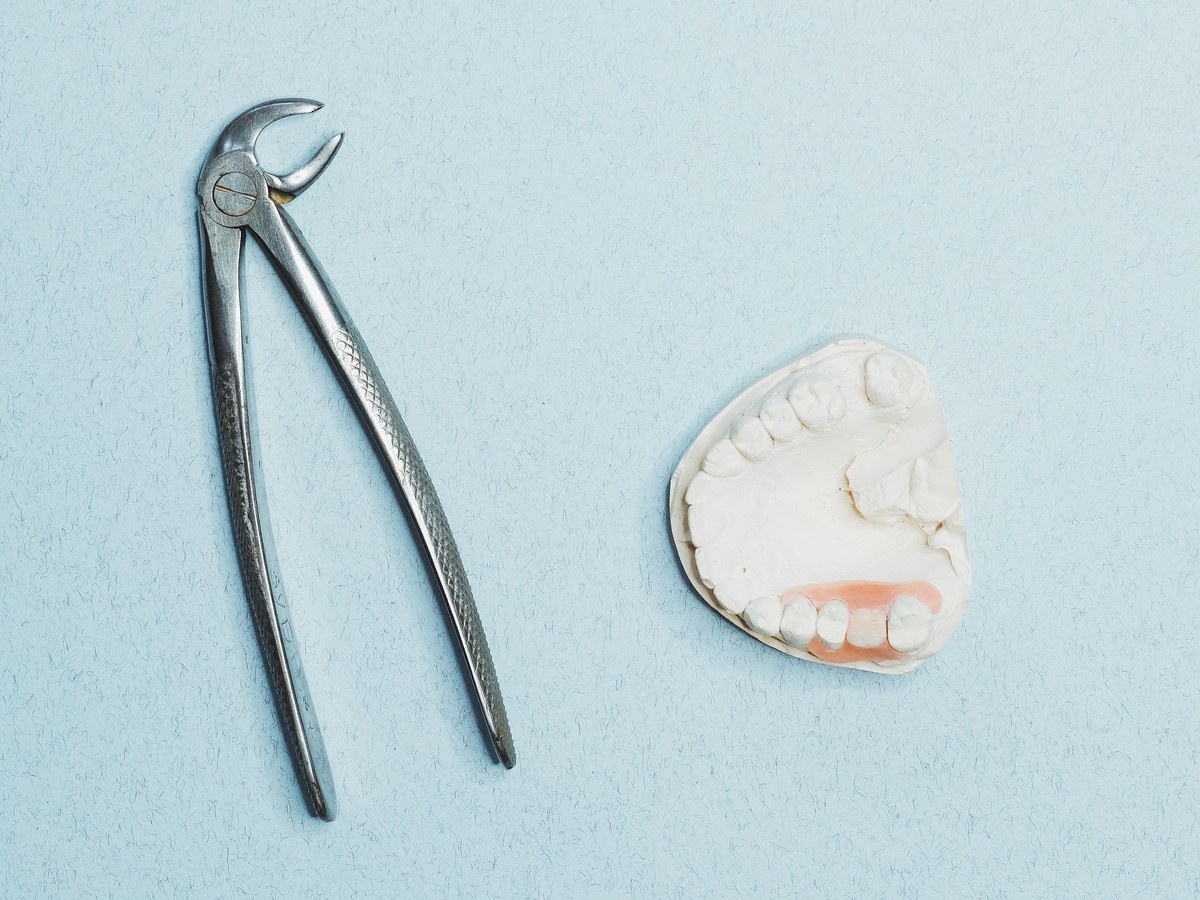
Wisdom teeth tend to enter the picture at an awkward time. Most patients are in their late teens or early twenties, busy with school, work, sports, or the first stretch of adult independence. Then a dentist points to the back of an X-ray and says those third molars may not have enough room. That is usually the moment when people start searching for answers about Wisdom Teeth Removal Oxnard CA, and the real question underneath the search is simple: how do dentists decide whether removal is actually necessary?
The answer is more nuanced than many patients expect. A recommendation to remove wisdom teeth is not based on age alone, and it should never be based on habit. Dentists weigh anatomy, symptoms, imaging, oral hygiene patterns, gum health, jaw space, and the likelihood of future trouble. In a coastal city like Oxnard, where practices care for everyone from teenagers in school sports to adults who have delayed treatment for years, the evaluation process often comes down to balancing present findings with future risk.
Some wisdom teeth come in cleanly and never create trouble. Others cause damage before the patient even feels pain. That difference is exactly why a careful evaluation matters.
The first thing dentists look for, symptoms versus silent problems
A lot of patients assume wisdom teeth are only a concern if they hurt. Pain certainly gets attention, but it is not the only reason a dentist may recommend removal. In fact, some of the more troublesome cases are quiet at first. A tooth can be impacted, press against the molar in front of it, trap bacteria under the gum, or form a cystic change around the crown long before there is any dramatic discomfort.
During an exam, dentists listen closely to the patient’s history. Has there been soreness when chewing? Swelling behind the second molars? A bad taste that comes and goes? Difficulty opening wide? Episodes of gum infection that seem to flare up and settle down? Those details matter because they help distinguish between a temporary irritation and a pattern that points to structural trouble.
At the same time, dentists know symptoms can be misleading. I have seen patients with impressive swelling and infection around a partially erupted lower wisdom tooth, and I have seen others with deeply impacted teeth and no pain at all. The absence of pain is reassuring, but it is not enough by itself to rule out a problem.
Eruption pattern tells a big part of the story
Wisdom teeth are the last adult teeth to arrive, and they often run out of room. The position of the tooth matters just as much as whether it has erupted. Dentists usually describe wisdom teeth in terms of eruption and angulation. A tooth may be fully erupted, partially erupted, or completely impacted under gum or bone. It may also lean forward, stand upright, tilt backward, or lie nearly sideways.
A fully erupted wisdom tooth that is straight, functional, and easy to clean may not need removal. That is the minority, but it does happen. These patients often have larger jaws, favorable spacing, and good hygiene access in the back of the mouth. If the opposing wisdom tooth is also in a healthy position and the bite is stable, a dentist may simply monitor it over time.
Partially erupted teeth are a different category. These are common troublemakers, especially on the lower jaw. When part of the crown breaks through the gum but part stays covered, a flap of tissue can trap food and bacteria. That can lead to pericoronitis, which is a localized gum infection around the erupting tooth. Patients often describe tenderness, swelling, a bad odor, or pain when biting down. Sometimes the area becomes so inflamed that chewing on that side becomes miserable for several days.
Teeth that remain buried in bone or gum tissue can also be risky, depending on their angle and relationship to nearby structures. A sideways impacted tooth pushing into the roots of the second molar raises very different concerns than a vertical impacted tooth sitting quietly with no sign of pathology. Dentists do not treat all impacted wisdom teeth as the same problem, because they are not.
X-rays usually decide what the eye cannot
A clinical exam gives part of the picture. Imaging fills in the rest. Panoramic X-rays are commonly used to evaluate wisdom teeth because they show both jaws, the angle of eruption, root formation, bone levels, the second molars, and the location of important structures like the inferior alveolar nerve in the lower jaw and the sinus floor in the upper jaw.
This is often the point in the appointment when the recommendation becomes clearer. On a panoramic image, a dentist can assess whether there is enough room for eruption, whether the wisdom tooth is crowding or damaging the molar in front of it, and whether the roots are close to the nerve canal. If the roots overlap the nerve on a panoramic image, some dentists or oral surgeons may order a cone beam CT scan for a more detailed three-dimensional view before treatment. That extra imaging is not routine for every case, but it can be very helpful when nerve proximity looks significant.
One practical detail patients often appreciate is that root development changes timing. A wisdom tooth in a 17-year-old may have roots that are only partly formed, while a tooth in a 32-year-old may have fully developed roots and denser surrounding bone. That difference can affect surgical difficulty, healing time, and the risk profile. Dentists consider age not as a standalone reason for extraction, but because anatomy evolves.
Space in the jaw matters, but so does cleanability
Patients often hear that there is “not enough room,” which is true in many cases, but that phrase can sound vague. Dentists are really evaluating whether the tooth can erupt into a stable, cleanable, functional position. Space by itself is only part of the issue.
A wisdom tooth may appear to have enough room to emerge, yet still sit so far back that brushing and flossing are consistently poor. That can create chronic inflammation and higher cavity risk. The second molar next to it may also become harder to clean, which matters because protecting a healthy second molar is often more important than trying to preserve a poorly positioned third molar.
This is where judgment comes in. If a patient has excellent hygiene, low cavity history, and a fully erupted upper wisdom tooth that can be cleaned well, observation might be reasonable. If another patient has repeated decay between the second and third molars, inflamed gum tissue, and a back tooth that is almost impossible to reach, removal becomes easier to justify.
Dentists are also protecting the second molar
A wisdom tooth does not have to hurt to damage the tooth in front of it. This is one of the most important and most overlooked reasons for removal. A mesioangular impacted lower wisdom tooth, meaning one that tips forward into the second molar, can create a trap for plaque and bacteria right where the patient cannot clean effectively. Over time, that area may develop decay on the back of the second molar, bone loss, or even root resorption.
By the time the problem is visible in the mouth, https://myleswvry253.laurelcurrent.com/posts/signs-you-may-need-wisdom-teeth-removal-in-oxnard-ca the damage may already be significant. Patients are often surprised to learn that the real concern is not the wisdom tooth itself but the healthy molar next to it. Saving a second molar is usually worth serious consideration, because that tooth plays a much bigger role in chewing and long-term dental function.
In everyday practice, this distinction matters a lot. A dentist may be more watchful with a deeply impacted upper wisdom tooth that is doing nothing than with a partially erupted lower wisdom tooth that is repeatedly inflaming the gum and threatening the adjacent molar. Same category of tooth, very different recommendation.
Age changes the conversation, but it does not dictate it
Many patients ask whether they are too young or too old for wisdom tooth removal. Dentists usually think in terms of timing rather than eligibility. Younger patients often heal faster, and extractions can be technically simpler before roots fully mature and bone becomes denser. That is one reason many evaluations happen in the late teens.
Still, early removal is not automatic. If a teenager’s wisdom teeth are developing in a favorable path with no sign of crowding, pathology, or hygiene difficulty, a dentist may recommend monitoring. On the other hand, waiting into the thirties or forties does not mean removal is off the table. Adults still have wisdom teeth removed successfully every day. It simply means the evaluation may focus more on gum health, existing restorations, root shape, and medical factors that can affect healing.
Older adults sometimes present with a problem that has been quiet for years, then suddenly flares up after food gets trapped or the immune system is under strain. In those cases, the dentist has to weigh the benefit of solving a recurring source of infection against the increased complexity that can come with age.
Medical history and lifestyle are part of the evaluation
Dental decisions do not happen in isolation from the rest of the body. A thorough wisdom teeth evaluation includes questions about medications, bleeding tendencies, immune conditions, diabetes control, smoking or vaping, pregnancy, and past reactions to anesthesia or sedation. These factors do not always change whether a tooth should come out, but they can influence when, where, and how the procedure is done.
For example, a healthy college student with straightforward erupted wisdom teeth may be managed very differently from a patient with poorly controlled diabetes and a history of recurrent oral infections. A smoker with chronic gum inflammation may face slower healing and a higher risk of dry socket after extraction. A patient who is extremely anxious may do better with an oral surgeon who offers deeper sedation, even if the anatomy itself is not especially complex.
In Oxnard, where patient populations are diverse and schedules are often packed around work and family obligations, dentists also think realistically about timing. If someone has repeated inflammation before every vacation, exam week, or long shift cycle, that pattern can strengthen the case for planned removal rather than waiting for another urgent flare.
Signs that often push the recommendation toward removal
There is no single rule that applies to every patient, but several findings tend to move dentists from watchful monitoring to active treatment. The more of these that are present, the more likely extraction becomes the sensible option.
- repeated infection or swelling around a partially erupted wisdom tooth
- decay in the wisdom tooth or on the back of the second molar
- bone loss, gum pockets, or damage to the adjacent tooth
- clear impaction with little chance of healthy eruption
- cystic changes, root resorption, or other pathology seen on imaging
That list is not a substitute for an exam, but it reflects the kinds of patterns that matter in real decision-making. A dentist is looking for evidence that the tooth is already causing harm or is highly likely to do so.
When monitoring is a reasonable choice
Patients are sometimes surprised to hear that not every wisdom tooth needs to come out. Observation can be appropriate when the tooth is fully erupted, healthy, functional, easy to clean, and not affecting nearby teeth or gums. Monitoring may also make sense when an impacted tooth is stable on imaging and removing it would carry more risk than benefit at the moment.
The key word is monitoring. That usually means periodic exams and X-rays at intervals chosen by the dentist based on age, risk, and findings. It does not mean forgetting the tooth exists for ten years. Changes can happen slowly, especially around partially erupted or hard-to-clean teeth.
This is where good communication matters. If a dentist recommends observation, patients should understand what signs would trigger re-evaluation. New swelling, food trapping, pain near the jaw angle, a foul taste, or tenderness when cleaning the area are worth reporting. Subtle symptoms often show up before a major infection does.
General dentist or oral surgeon, how that decision is made
The evaluation for wisdom teeth removal often includes another practical question: should the extraction be done by the general dentist or by an oral surgeon? The answer depends on complexity, not status.
A general dentist may remove straightforward erupted wisdom teeth, particularly when roots are uncomplicated and access is good. Oral surgeons are more often involved when teeth are deeply impacted, located close to the lower nerve, associated with sinus concerns, or expected to require surgical sectioning of tooth and bone. Significant anxiety, special medical considerations, or the desire for IV sedation can also make referral the better route.
This should not worry patients. Referral is usually a sign of thoughtful case selection, not a sign that something is wrong. Good dentists know their limits and refer when the anatomy or sedation needs call for added surgical expertise. That is part of quality care.
The consultation often answers three practical questions
By the end of a proper wisdom teeth evaluation, most patients want clarity on three things: do I need removal, how urgent is it, and what kind of procedure am I facing? Those answers come from a combination of exam findings, imaging, symptoms, and risk assessment.
A case may be urgent if there is active infection, significant swelling, spreading pain, or a threat to the second molar. It may be elective but recommended if the teeth are not yet causing severe symptoms but show a strong chance of future trouble. It may be monitored if the risks of removal currently outweigh the benefits.
Patients should feel comfortable asking exactly what the dentist sees on the X-ray and why that matters. A good explanation is usually specific. “This lower tooth is angled into the molar in front of it, and there is already a cavity forming where you cannot clean” is useful. “You should get them out because most people do” is not.
Questions patients should ask at the evaluation
A short list of smart questions can make the consultation more useful and less intimidating.
- Are these wisdom teeth causing a problem now, or are you concerned about future risk?
- What do you see on the X-ray that supports removal?
- Is the second molar being affected?
- Would you monitor these teeth if they were your own?
- Should this be done here or by an oral surgeon?
Those questions help move the discussion away from vague advice and toward individualized reasoning. They also give patients a better sense of timing, complexity, and confidence in the plan.
Why local patterns matter in a place like Oxnard
Dentistry is dentistry everywhere, but local practice patterns still shape how wisdom teeth evaluations unfold. In Oxnard, many offices see a mix of adolescents, young working adults, military families, and long-time residents who may have postponed elective care. That variety means dentists often evaluate wisdom teeth under very different circumstances.
A teenager coming in for orthodontic follow-up may have impacted wisdom teeth discovered early, before symptoms start. A 28-year-old may come in only after recurrent swelling behind a lower molar. A 40-year-old may finally seek care because food trapping has become constant and the adjacent molar now shows bone loss. The principles are the same, but the context changes the recommendation.
That is one reason broad internet advice can be frustrating. Searches for Wisdom Teeth Removal Oxnard CA may turn up generic statements, but real treatment decisions are made one mouth at a time. The anatomy on the X-ray, the condition of the gums, the patient’s health history, and the ability to keep the area clean all matter more than a blanket rule.
The best evaluations balance current evidence with future consequences
Good dentistry is often about preventing a small problem from becoming a larger one, but it is also about avoiding unnecessary procedures. Wisdom teeth sit right at that intersection. Remove too readily, and you may treat a tooth that would have stayed quiet. Wait too long in the wrong case, and you may lose valuable bone or damage a second molar that was harder to replace.
That is why the best evaluations are careful, specific, and grounded in evidence that the patient can understand. Dentists are not simply asking whether wisdom teeth exist. They are asking whether these particular teeth, in this particular mouth, are healthy, maintainable, and unlikely to create trouble.
When patients understand that process, the recommendation makes more sense. A decision about wisdom teeth removal is rarely about age or routine. It is about anatomy, risk, timing, and protecting the long-term health of the teeth that matter most.
Oxnard Dentistry
1730 E Gonzales Rd
Oxnard, CA 93036, United States
Phone: +1 805-307-8731
FAQ About Wisdom Teeth Removal Oxnard CA
How much does it cost to get wisdom teeth removed in California?
Fees depend on tooth position, the number of extractions, imaging and anesthesia. Oxnard Dentistry can provide an individual estimate after examining your teeth. Ask for an itemized plan and confirm insurance benefits before scheduling.
Will insurance cover wisdom teeth removal?
Coverage and out-of-pocket costs vary by policy and the treatment required. Ask the dental office and your insurer to verify benefits, annual limits and any authorization requirements. A benefit estimate does not guarantee payment.
Is 30 too old to have wisdom teeth removed?
Age alone does not determine whether extraction is appropriate. A dentist evaluates symptoms, tooth position, oral health and medical history. Healthy, functional wisdom teeth may be monitored; teeth causing disease or other problems may need treatment.